
Fertility Nutrition Tips to Support Conception During Summer
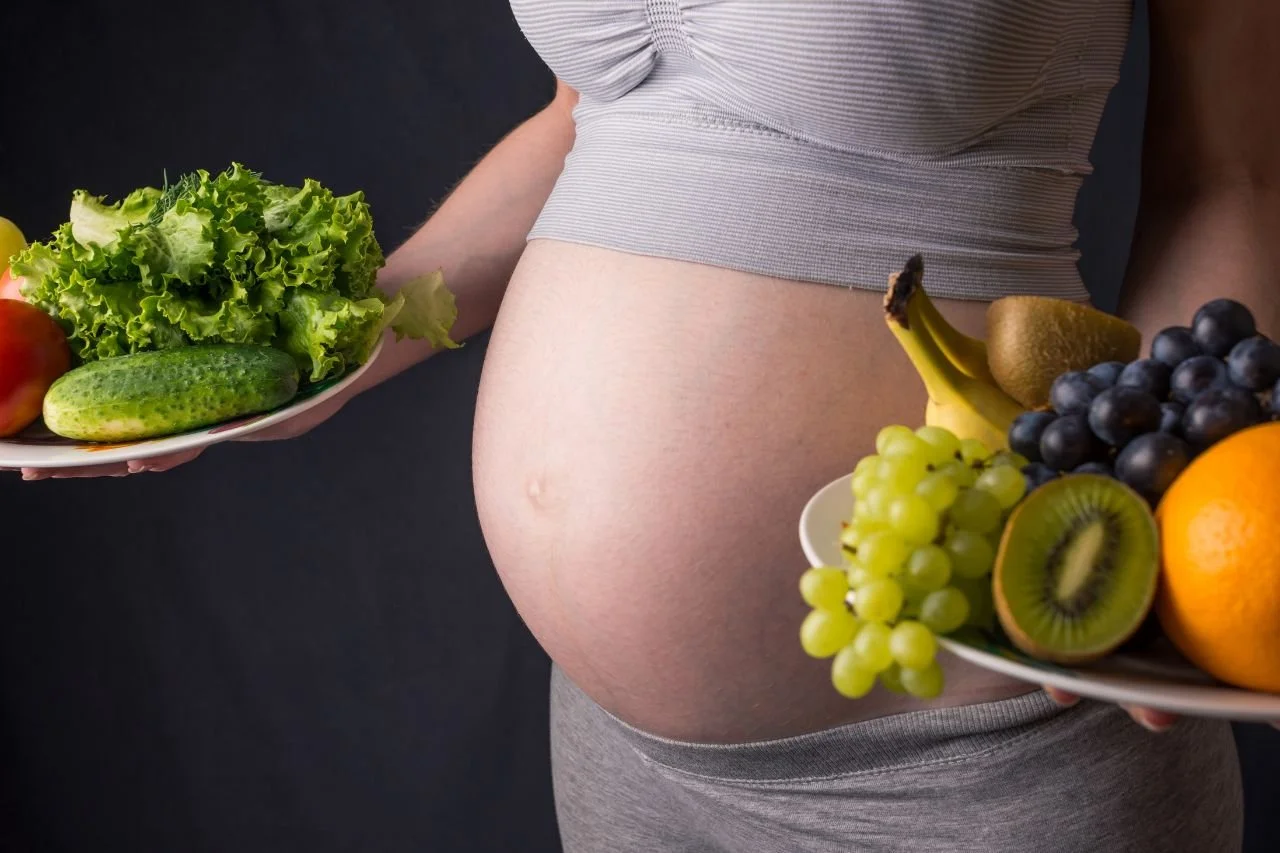
Can What You Eat Affect Your Fertility Journey?
When you're trying to conceive, nutrition is one area where you can take meaningful, everyday steps to support your overall health. It's not the only factor that matters, but it's one you have real control over, and that can feel empowering during a journey that often feels anything but predictable.
There is no single food, supplement, or diet that can guarantee pregnancy. Fertility is influenced by a wide range of factors, from hormonal balance to age to underlying reproductive health. However, balanced fertility nutrition provides the building blocks your body needs to support normal hormone production, cellular health, energy levels, and reproductive function.
Summer can be an especially enjoyable time to focus on nutrition because fresh fruits, vegetables, and seasonal foods are widely available at farmers markets, grocery stores, and even your own backyard garden. The warmer months naturally invite lighter, more colorful meals, which align well with the eating pattern that supports fertility.
Instead of thinking about a restrictive "fertility diet," consider building sustainable eating habits that nourish your body throughout your fertility journey, this summer and beyond. If you're also exploring other lifestyle factors that influence conception, our guide on how to get pregnant naturally offers a broader look at the habits that matter most.
1. Add More Color to Your Plate
Different fruits and vegetables provide different vitamins, minerals, antioxidants, and plant compounds. Each color group tends to bring its own set of nutrients, deep reds and purples are often rich in antioxidants, while leafy greens provide folate, a nutrient especially important during preconception and early pregnancy.
Summer makes adding variety easier than almost any other season. Consider filling your plate with foods such as:
Berries (strawberries, blueberries, raspberries)
Leafy greens (spinach, kale, arugula)
Tomatoes
Bell peppers
Broccoli
Citrus fruits
Melons
A simple goal is to include several different colors throughout your day rather than relying on the same foods repeatedly. Think of your plate as a canvas, the more color, the more varied the nutrients you're likely getting. This doesn't need to be complicated. Tossing a handful of berries into your morning yogurt or adding sliced bell peppers to a summer salad are small, low-effort ways to diversify your intake.
2. Include Quality Protein
Protein provides amino acids your body uses for tissue repair, hormone production, and many other essential biological processes. Adequate protein intake also helps stabilize blood sugar. It supports steady energy throughout the day, which can be especially helpful if you're managing the emotional and physical demands of trying to conceive.
Sources may include:
Eggs
Fish
Poultry
Lean meats
Greek yogurt
Beans
Lentils
Tofu and other plant proteins
Try including a source of protein with each meal to support balanced nutrition and sustained energy. In the summer heat, lighter protein options like grilled fish, a chickpea salad, or a Greek yogurt parfait can feel more appealing than heavier winter fare, while still delivering the nutrients your body needs.
3. Don't Be Afraid of Healthy Fats
Dietary fats play an important role in overall health and normal hormone production. Some vitamins, including vitamins A, D, E, and K, are fat-soluble, meaning your body needs dietary fat to absorb and use them properly. Reproductive hormones are also built from lipids, which is one reason healthy fat intake is often discussed in the context of fertility nutrition.
Consider including foods such as:
Avocados
Olive oil
Nuts
Seeds
Fatty fish (like salmon or sardines)
The goal is balance and variety rather than eliminating entire food groups. A drizzle of olive oil over a summer vegetable salad, a handful of almonds as a snack, or salmon on the grill are all simple, seasonal ways to work more healthy fats into your routine.
4. Stay Hydrated During Hot Summer Months
Hydration is important for circulation, digestion, temperature regulation, and overall health, all of which indirectly support reproductive wellness. During the summer, fluid needs may increase, especially if you're spending more time outdoors, exercising, or simply sweating more in the heat.
Keep water easily available throughout the day and pay attention to your body's thirst signals rather than waiting until you feel parched. Water-rich foods such as watermelon, cucumbers, citrus, and berries can also contribute to your overall fluid intake while doubling as nutrient-dense snacks.
A useful habit is to keep a reusable water bottle with you throughout the day, whether you're at work, running errands, or spending time outdoors. Setting small reminders, or simply sipping water alongside your morning coffee or afternoon snack, can help hydration become part of your routine rather than an afterthought.
If you've noticed changes in your cycle, energy, or overall wellness and are wondering whether something more is going on, it may be worth reviewing the signs that can make it harder to get pregnant and discussing them with a healthcare provider.
5. Build Balanced Meals
Rather than obsessing over individual "fertility superfoods," focus on your overall eating pattern. Research on fertility and diet consistently points to the value of a well-rounded, consistent way of eating rather than any single miracle ingredient.
A balanced meal might include:
A quality protein source
Plenty of vegetables
A fiber-rich carbohydrate
A source of healthy fat
This simple framework can make healthy eating easier without turning every meal into a complicated fertility calculation. For example, a summer bowl of grilled chicken, mixed greens, roasted sweet potato, and avocado hits all four categories without requiring a special recipe or hard-to-find ingredients.
6. Think About Both Partners
Nutrition and lifestyle aren't only important for female fertility. Male reproductive health also matters, and sperm health can be influenced by diet, weight, stress, and other lifestyle factors, just as egg quality can.
A nutrient-dense eating pattern, regular physical activity, appropriate sleep, and other healthy lifestyle habits can support the overall health of both partners. If you're trying to conceive as a couple, consider making healthy changes together, it can make the process feel more collaborative and less like an individual burden. For a broader look at lifestyle changes that may support conception for both partners, see our article on natural ways to boost fertility.
What About Fertility Supplements?
It can be tempting to purchase a long list of supplements when trying to conceive, especially with so much marketing aimed at people on this journey. However, more isn't always better.
Individual needs vary, and certain supplements can interact with medications or may not be appropriate for everyone. Some can even be counterproductive in high doses. Talk with an appropriate healthcare professional about your individual nutritional needs, particularly if you're pregnant, trying to conceive, or undergoing fertility treatment. A personalized approach, rather than a generic supplement stack, is generally the safer and more effective path.
Nutrition Is One Part of the Bigger Picture
Fertility health involves many factors. Nutrition, sleep, movement, stress management, underlying medical conditions, age, and reproductive health can all play a role. Focusing on nutrition alone, while helpful, is rarely the complete picture, which is why a whole-person approach tends to serve people better than chasing one variable in isolation.
At Lotus Spring Acupuncture Fertility and Wellness Inc., we take a whole-person approach to supporting patients through their fertility journey. We look beyond a single symptom or lab value to understand how sleep, stress, nutrition, and overall wellness are working together, or working against each other.
Acupuncture may be incorporated as a complementary part of a broader wellness and fertility care plan, alongside nutrition and other lifestyle factors, to help support the body's natural balance during the conception journey.
Make This Summer About Nourishment, Not Perfection
You don't need a perfect diet to support your health. Chasing perfection with food can add stress to an already emotionally demanding journey, and stress itself is something worth managing thoughtfully when you're trying to conceive.
Start with simple, sustainable changes:
Add more colorful foods to your plate.
Include quality protein at each meal.
Choose healthy fats instead of avoiding them.
Stay hydrated, especially in the summer heat.
Focus on consistency rather than perfection.
Small habits practiced consistently can create meaningful changes in your overall health over time. Progress in fertility nutrition tends to come from steady, repeatable choices rather than dramatic overhauls that are hard to maintain.
Ready for Personalized Fertility Support?
Every fertility journey looks different, and what works well for one person may not be the right fit for another. If you're looking for guidance that goes beyond generic advice, a personalized plan that accounts for your health history, lifestyle, and goals can make a meaningful difference.
Looking for personalized support during your fertility journey? Contact Lotus Spring Acupuncture Fertility and Wellness to schedule a consultation and learn more about our whole-person approach to fertility care.