
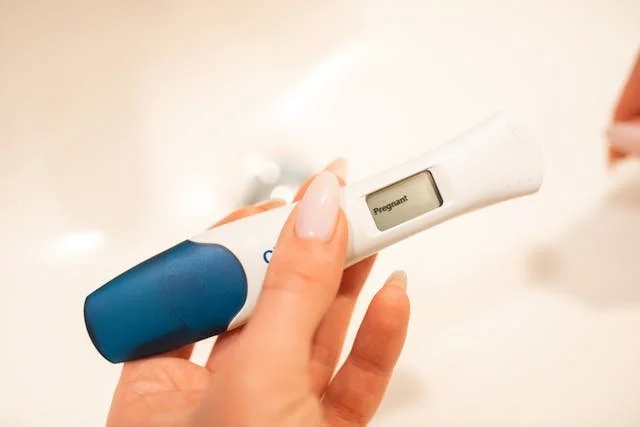
Traditional Chinese Medicine vs Western Medicine in Treating Infertility
When infertility is mentioned, Western medicine and traditional Chinese medicine are often the first two things that come to mind. Which treatment do you choose? The answer depends on what your end goals are and the type of treatment you feel most comfortable utilizing. This article will explore the differences between western medicine vs acupuncture and Chinese Medicine Infertility Treatment

Quieting the Storm: How Acupuncture Naturally Relieves Anxiety and Stress
Posted on December 29, 2020, Keira Farrimond of KSL TV shared a new online study on how the long-hauler syndrome of nearly 4,000 patients in 56 countries found more than 200 prevalent symptoms among participants across 10 of the body’s organ systems.

The 10 Commandments of Fibromyalgia
Through herbal formulas, breathing techniques, changes in your external environment, relaxation, and highly effective acupuncture treatments you can be living the life you always dreamt of! You can truly work to improve fibromyalgia in your own body! However, in order for any of these treatments that have been scientifically tested and practiced for centuries to work, there are 10 commandments that you need to follow, as if your life depended on them, to see these results.

Fibromyalgia Type Eight: Dysregulation of ACTH & Cortisol Associated with Lumbar Pain and Low Body Temperature.
Imagine feeling old and cold. Imagine everything hurting and being afraid of cold weather. Imagine it hurting to stand up and having general aches and pains associated with aging. Now magnify that and bring that level on any age. This creates an understandable cycle of pain and depression for anyone at any time and any age.

Fibromyalgia Type Seven: Low DHEA’s or HPA-Thyroid Dysregulation.
Thyroid Dysregulation causes The thyroid gland regulates metabolic rate, heart rate, body temperature, motility and digestion, contraction of muscles, replacement of old cells, and influences hormone levels and menstruation in women. The most common cause of this autoimmune condition is the instigating damage to the thyroid gland inhibiting its ability to make adequate thyroid hormone. Adrenal disorders or HPA axis dysfunction, Thyroid Dysregulation, can occur due to chronic stress, blood sugar dysregulation, infections, allergies, and sleep disorders.

Fibromyalgia Type Six: Venous Insufficiency
Venous insufficiency is more common in women than in men, like all fibromyalgia illnesses. It’s also more likely to occur in adults over the age of 50, according to Cleveland Clinic. Some of the risk factors mentioned can contain blood clots, varicose veins, obesity, pregnancy, smoking, cancer, muscle weakness, leg injury, or trauma, swelling of a superficial vein (phlebitis), hereditary passing through generations, and even sitting or standing for long periods of time without moving.

Fibromyalgia Type Five: Mitochondrial Myopathy
Mitochondrial myopathy is caused by mutations, or changes, in genes — the cells’ blueprint for making proteins. They are inheritable, although they can occur with no family history, and they often affect members of the same family in different ways. According to the National Institute of Neurological Disorders and Strokes, “Nerve cells in the brain and muscles require a great deal of energy, and thus appear to be particularly damaged when mitochondrial myopathy function occur.” They also mention that “The prognosis for these disorders ranges in severity from progressive weakness to death.
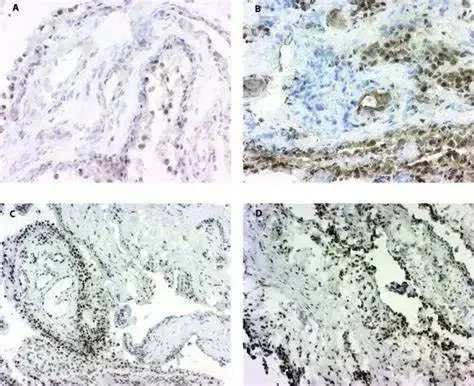
Fibromyalgia Type Four: Prostaglandin Dysregulation & Platelet Adhesion Associated Chronic Inflammation and Pain.
When it comes to fibromyalgia type four, think of having a bruise that won’t go away. Remember the tenderness and the way it fatigues the local muscle. Now extend this bruise to the entire body and mix it with the pain of menstrual cramps or fibroids, and you begin to get an idea of how devastating this type of pain can be. Later on it turns into chronic inflammation and pain.
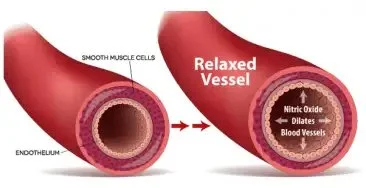
Fibromyalgia Type Three: Nitric Oxide Dysregulation Associated with Elevated Cortisol
With fibromyalgia type three: Nitric Oxide Dysregulation, you either experience pain in the shoulders, which is the flight response. Where are you aren’t allowed to punch or claw, which is your natural response; so as it’s built up and not used, it creates long-term tension that builds in the shoulders. The other experience that you could be having is a pain in the lower back, which is the flight response. Energy surges to the legs, but you have nowhere to run. The tension builds in the lower back.
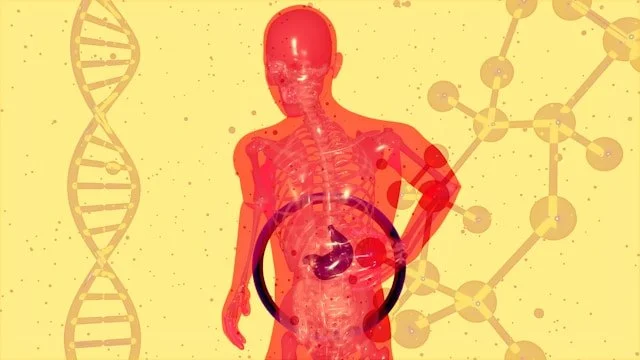
Fibromyalgia Type Two: Gut Dysbiosis
With fibromyalgia type three: Nitric Oxide Dysregulation, you either experience pain in the shoulders, which is the flight response. Where are you aren’t allowed to punch or claw, which is your natural response; so as it’s built up and not used, it creates long-term tension that builds in the shoulders. The other experience that you could be having is a pain in the lower back, which is the flight response. Energy surges to the legs, but you have nowhere to run. The tension builds in the lower back.

Fibromyalgia Type One: Immune hypersensitivity
Imagine having the flu. The aches and pains follow a similar pattern due to the generalized immune response. Imagine the complete loss of energy, stiff neck, mental fogginess, and lethargic. This is essentially what is happening with the cause of fibromyalgia through immune hypersensitivity. The pain itself comes when the immune system perceives a pathogen. It responds with increased inflammatory cytokines, nitric oxide, and homocysteine levels. In simple terms, immune hypersensitivity reactions occur when the normally protective immune system responds abnormally, potentially harming the body.
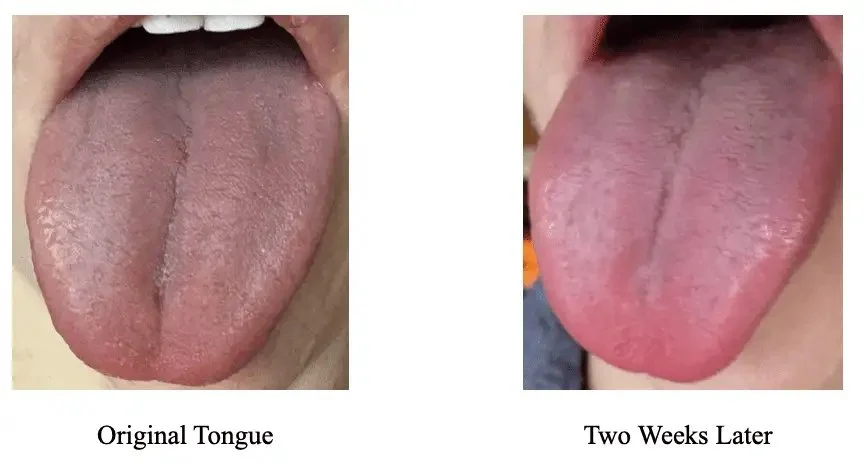
Telehealth Case Studies: Herbal Diagnosis WORKS!
Lotus Spring Acupuncture and Wellness Inc. wants to help and serve everyone in the community. One way we do this, is we offer Telehealth in the form of a health examination, however, the biggest part of the examination is Chinese tongue diagnosis.

Fibromyalgia Introduction: The Eight Main Causes of Fibromyalgia
Fibromyalgia is classified as one of the most painful chronic illnesses to have. As a result, so many professionals, doctors, and physical therapists don’t actually know how to treat it correctly. Fibromyalgia is a chronic disorder that affects at least 5 million Americans, primarily women. It’s characterized by non-restorative sleep, muscle aches, and stiffness that may last all day for several days in a row.

Fibromyalgia Temperature Sensitivity: Cold & Moist (Rainforest)
This type of fibromyalgia sensitivity to hot & moist climates, is based upon if you live in a moist and cool region or if your internal microbiome has become too moist and cool. There are certain areas of the body that should be swampy, but when this extends in the areas which are meant to be dry, it creates problems. Sedentary living reduces fluid metabolism. This can lead to water retention. When the internal microbiome becomes cold and damp, it overloads your water transport mechanisms. Cool weather overall slows the collective metabolism.

Fibromyalgia Temperature Sensitivity: Cold & Dry (Artic)
In particular, when it comes to fibromyalgia sensitivity to cold & dry temperatures, you could be experiencing a heavy load. This is geared toward if you live in a cold, dry region or if you’re internal microbiome has become cold and dry. The cold, dry air of the arctic causes life to slow to a crawl. What happens in this type of environment is life itself seems to escape with every breath. The air pulls water and heat from out of your skin. This can cause several types of symptoms. Overall, the slow decay and sparse plant life distribute to pour soil quality. Plantlife grows briefly in the summer and then must prepare for the icy hibernation of winter. Every animal in the environment must adapt. They insulate themselves in fat and bury underground to create warmer microclimates.

Fibromyalgia Temperature Sensitivity: Hot & Dry (Desert)
Fibromyalgia temperature sensitivity such as dry and hot weather makes a huge difference in your body’s performance! As temperature changes, the sensitivity levels within the body can really affect those diagnosed with fibromyalgia. Everybody knows that when someone has this type of temperature sensitivity with the weather changing, it can be a really awful experience for people. A lot of fibromyalgia patients can expect a flare-up or even a worsening of their current symptoms when the weather changes. In this article though we’re going to go over the main types of temperatures, how they might be affecting you, and the secrets to finding solutions when overcoming this particular experience of symptoms. The main types of temperatures include; Hot & Dry (Desert), Hot & Moist (Tropical), Cold & Dry (Artic Microbiome), and Cold & Moist (Temperate Rainforest Microbiome).

Fibromyalgia Temperature Sensitivity: Hot & Moist (Tropical)
Fibromyalgia Temperature Sensitivity can include a wide variety of weather types such as Hot & Moist. If you live in a moist and warm environment, and your internal Microbeam has become to trap call, what happens inside the body is what is called “damp fire” in Chinese medicine. When people have food retention, it leaves piles of debris behind. When your gut gets too moist and compact, it creates conditions similar to a compost fire. While people don’t tend to catch fire, they can get a low-grade fever and chronic inflammation that is associated with a host of chronic diseases.

Introduction to Fibro Temperature Sensitivity
As temperature changes, the sensitivity levels within the body can really affect those diagnosed with fibromyalgia. Everybody knows that when someone has this type of temperature sensitivity with the weather changing, it can be a really awful experience for people. A lot of fibromyalgia patients can expect a flare-up or even a worsening of their current symptoms when the weather changes. In this article though we’re going to go over the main types of temperatures, and how they might be affecting you. Look out for our other article to come soon with more information on the secrets to finding solutions when overcoming this particular experience of symptoms.

The Mysterious Chronic Illness
Fibromyalgia is different. We cannot treat it like we treat other aches and pains but yet still both health professionals and patients do. The most important aspect of recovering from fibromyalgia is UNDERSTANDING the large context of the condition and how it often is incorrectly handled. This is the introduction of more blogs/articles to come that will dive deeper into the subject and real results.

Don’t Ignore these Early Symptoms of Fibromyalgia
Fibromyalgia is one such disorder of the muscles, joints, and fibrous tissues that directly affects the body and isn’t hard to miss. Although the pain and intensity levels vary, people often describe it as a state of feeling perpetually sick and a continuing ache or pain throughout their body. Hence, why we share that it’s not hard to mean if you’ve got it or not.