
Acupuncture for IVF: Benefits, Timing, and How It Supports Your Fertility Journey
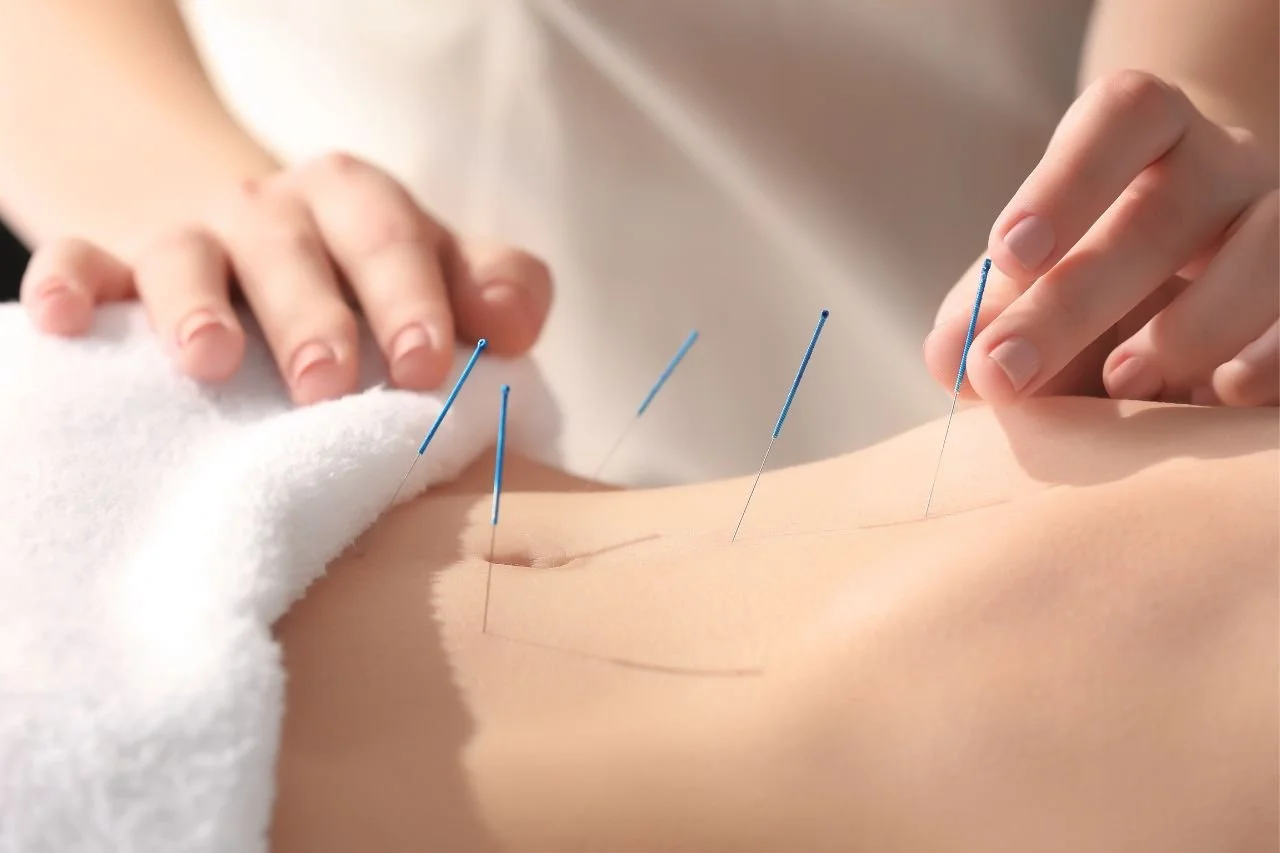
Acupuncture for IVF may help support your fertility journey by reducing stress, improving circulation, and creating a more balanced environment during treatment. Many patients use it alongside IVF to feel calmer, more prepared, and more supported throughout each stage of the cycle.
If you are exploring natural ways to complement fertility care, understanding how acupuncture fits into IVF can help you make confident decisions.
Why Many Patients Choose Acupuncture During IVF
IVF can be physically and emotionally demanding. Appointments, medications, waiting periods, and uncertainty often create pressure that affects overall well-being. That is one reason many patients add acupuncture to their care plan.
Acupuncture is a traditional therapy that uses very fine needles placed at specific points on the body. In modern fertility support, it is often used as a complementary option rather than a replacement for medical treatment.
Many people seek acupuncture for IVF because it may help with:
Stress reduction
Relaxation during treatment cycles
Improved blood flow to reproductive organs
Better sleep and emotional balance
Support before and after embryo transfer
For patients looking for personalized fertility care, explore the fertility services page here: www.lotusspringacupuncture.com/fertility
How Acupuncture May Support IVF Success
Acupuncture does not guarantee pregnancy, but it may support factors that matter during IVF. Think of it as helping the body function in a steadier, healthier state while medical treatment does the primary work.
1. Stress and Nervous System Regulation
Stress does not directly cause infertility in every case, but high stress levels can affect sleep, mood, hormone balance, and the treatment experience. Many patients report feeling more relaxed after sessions.
When the nervous system shifts into a calmer state, the body may respond better to ongoing treatment demands.
2. Blood Flow Support
Healthy circulation is important for tissue nourishment. Some fertility specialists and patients use acupuncture to support blood flow to the pelvic region and uterine lining.
3. Consistency and Routine
IVF often feels like a process with many unknowns. Scheduled acupuncture visits can create a structured wellness routine that helps patients feel proactive and supported.
4. Whole-Person Care
Fertility treatment is not only physical. Emotional resilience matters too. Many people appreciate having a space to decompress during an IVF cycle.
You may also enjoy reading: Does Acupuncture Help IVF Success? What Research Says and How It Supports Your Cycle
IVF Support Acupuncture: When to Start
IVF support acupuncture can be used at different stages depending on your timeline, health history, and fertility goals. Some begin months before treatment, while others start during an active cycle.
Common Timing Options
The best timing depends on your specific case and the clinic's recommendations.
To prepare for your first visit, review what to expect here: www.lotusspringacupuncture.com/what-to-expect
Fertility Acupuncture for Embryo Transfer
Fertility acupuncture for embryo transfer is one of the most searched areas of fertility care, and for good reason. Embryo transfer is a major milestone in the IVF process.
Many patients schedule sessions shortly before and after transfer day. The goal is often to encourage calmness, reduce tension, and support a positive treatment experience.
Why Patients Use Acupuncture Around Transfer Day
Helps promote relaxation before the procedure
Supports emotional calm during a high-pressure moment
Encourages rest after transfer
Adds a sense of active support during the waiting period
What a Typical Transfer Support Plan Might Look Like
Every clinic has different scheduling logistics, so coordination matters.
You may also like: Natural Fertility Support with Acupuncture: What You Should Know Before Trying IVF
What Research Says About Acupuncture and IVF
Research on acupuncture and IVF has produced mixed but interesting findings. Some studies suggest possible benefits for stress management, patient wellbeing, and pregnancy outcomes in certain groups, while others show modest or variable results.
Why the mixed results?
Different studies often use different factors, such as:
Session timing
Number of treatments
Practitioner methods
Patient age and diagnosis
IVF protocols used
Study size and quality
Because of this, acupuncture is best viewed as supportive care rather than a guaranteed success tool. It can be valuable even when the main benefit is emotional steadiness and better treatment experience.
For medical IVF treatment information, you can visit: www.utahfertility.com/treatments/IVF
How Many Sessions Are Usually Recommended?
There is no single number that fits everyone. A patient preparing several months in advance may attend more regularly than someone starting close to transfer day.
General Example Plans
Early preparation: 1 session weekly for 8 to 12 weeks
During active IVF cycle: Weekly or practitioner-guided frequency
Embryo transfer support: Sessions around transfer timing
Stress-focused care: Ongoing, based on symptoms and goals
Your practitioner may adjust frequency based on age, cycle history, stress level, sleep, or previous IVF attempts.
To book an initial consultation, visit: www.lotusspringacupuncture.com/schedule-initial-exam
How to Choose the Right Fertility Acupuncturist
Not every acupuncturist specializes in fertility care. Choosing someone with experience in reproductive health can make your care more aligned with your IVF process.
What to Look For
Experience with IVF patients
Clear communication with medical timelines
Calm and professional treatment environment
Personalized treatment plans
Understanding of embryo transfer scheduling
Questions to Ask
Do you regularly work with IVF patients?
How do you schedule sessions around retrieval and transfer?
What is your treatment approach for stress support?
How do you tailor care for previous IVF cycles?
Gentle IVF and Complementary Support
Some clinics also offer lower medication approaches or customized protocols depending on patient needs. If you are researching alternatives, this page may be helpful: www.utahfertility.com/treatments/gentle-ivf
Complementary therapies like acupuncture can often be discussed alongside these approaches as part of a broader care conversation.
Final Thoughts on Acupuncture for IVF
Acupuncture for IVF can be a meaningful, supportive option for patients who want stress relief, structured wellness care, and added support during treatment. While it is not a replacement for fertility medicine, many people value the physical and emotional benefits it may provide throughout the IVF journey.
The best next step is working with both your fertility clinic and an experienced practitioner to create a plan that fits your timeline, treatment stage, and goals.
Frequently Asked Questions
Is it safe to do acupuncture during IVF?
Yes, acupuncture is commonly used during IVF when provided by a qualified practitioner who understands fertility treatment timing. Safety depends on proper technique, communication, and choosing someone experienced in reproductive care. Always let your acupuncturist know where you are in your cycle, what medications you are taking, and whether you have retrieval or transfer dates approaching so treatment can be adjusted appropriately.
What are the success rates of acupuncture for IVF?
There is no single success rate because results vary by age, diagnosis, clinic protocol, embryo quality, and overall health. Some studies suggest certain patients may benefit, while others show more modest differences. It is best to view acupuncture as supportive care that may improve the treatment experience rather than a guaranteed way to increase pregnancy rates for everyone.
Does acupuncture really help IVF?
For many patients, acupuncture helps by improving relaxation, reducing stress, and providing emotional support during IVF. Some also pursue it for circulation and wellness benefits. Even when measurable outcome data vary, many patients say they feel calmer, more in control, and better able to manage the demands of treatment with regular sessions.
How long does acupuncture take to improve fertility?
The timeline depends on your health history, fertility goals, and where you are in the IVF process. Some people begin several months before treatment for steady support, while others start during an active cycle. Many practitioners recommend a series of visits rather than expecting changes after only one session, especially when preparing for IVF.
Does acupuncture work for embryo transfer?
Many patients use acupuncture around embryo transfer because it may support calmness and reduce stress during a key stage of IVF. Sessions are often scheduled before and after transfer day. While it cannot guarantee implantation, it can be part of a thoughtful support plan that helps patients feel more relaxed and cared for during the process.