
Could Hormones Be Affecting Fertility
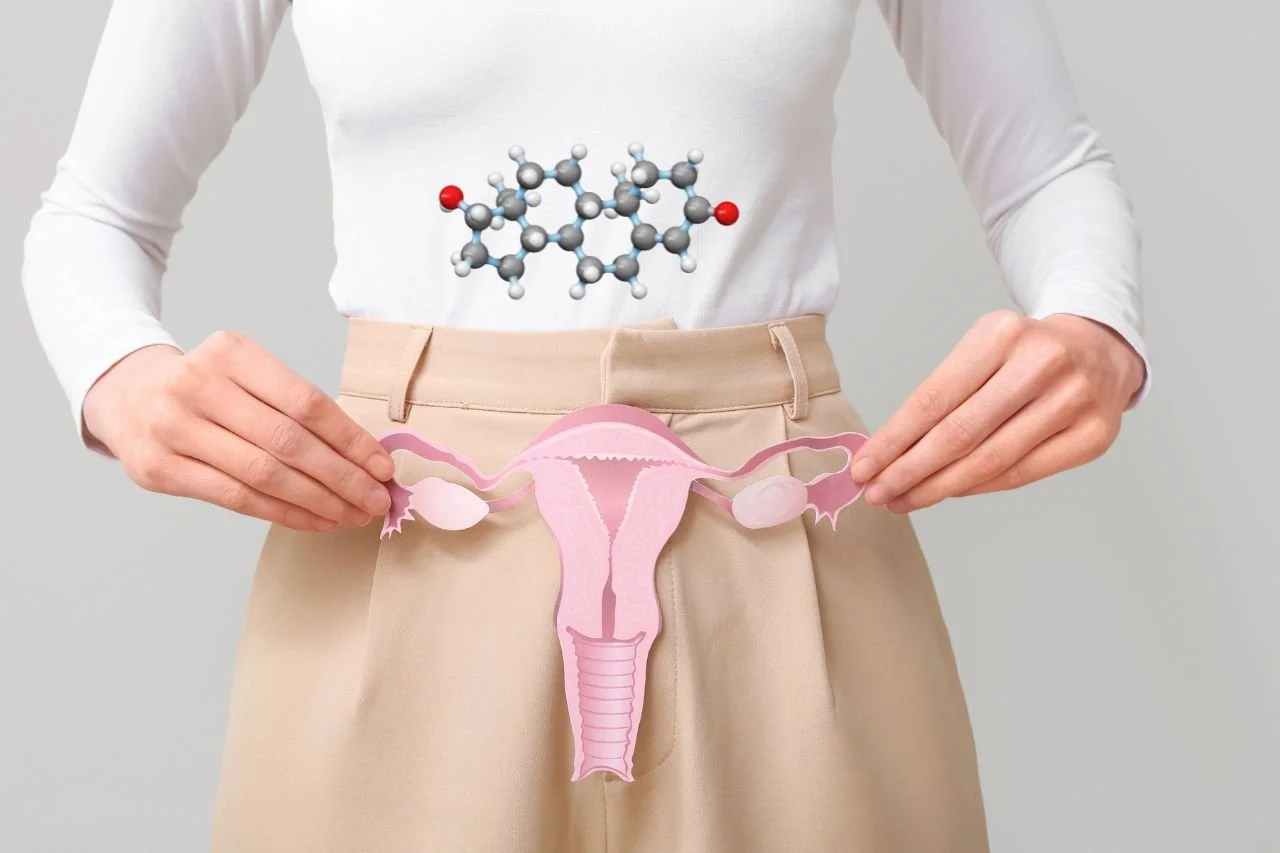
Hormones play a critical role in ovulation, menstrual cycles, implantation, and overall reproductive health.
When hormone levels become imbalanced, it can become more difficult to conceive naturally. Recognizing the signs early may help you address underlying issues and support a healthier fertility journey.
Continue reading to learn how hormones influence fertility, common warning signs to watch for, and natural ways to support hormonal balance.
Why Hormones Matter for Fertility
Hormones act as the body's communication system. They help regulate the reproductive processes necessary for conception and a healthy pregnancy.
When hormone levels are balanced, the body can:
Release a mature egg during ovulation
Maintain regular menstrual cycles
Support a healthy uterine lining for implantation
Sustain reproductive health throughout the fertility journey
Even small hormonal disruptions can affect one or more of these functions, making conception more challenging.
Key Fertility Hormones and Their Roles
Each hormone works together in a carefully balanced cycle. When one becomes too high or too low, fertility can be affected.
How Hormones Influence Ovulation
Ovulation is one of the most important steps in conception.
Every month, hormones coordinate the development and release of an egg from the ovary. If hormone levels are disrupted, ovulation may become irregular or stop altogether.
Common hormonal issues that affect ovulation include:
Polycystic Ovary Syndrome (PCOS)
Thyroid disorders
Elevated stress hormones
Insulin resistance
Women who experience irregular cycles often benefit from learning more about fertility-focused care, such as Natural Fertility Support With Acupuncture: What You Should Know Before Trying IVF
The Connection Between Hormones and Menstrual Cycles
Your menstrual cycle provides valuable clues about hormonal health.
A typical cycle depends on the proper timing and balance of estrogen, progesterone, FSH, and LH.
When hormones become imbalanced, you may experience:
Irregular periods
Missed periods
Heavy bleeding
Very light periods
Spotting between cycles
These changes can signal that ovulation is not occurring regularly or that the uterine environment may not be optimal for conception.
What a Healthy Cycle Often Looks Like
Tracking your cycle can help identify patterns that may warrant further evaluation.
Hormones and Implantation: An Often Overlooked Factor
Many people focus on ovulation when trying to conceive, but implantation is equally important.
After fertilization, the embryo must successfully attach to the uterine lining. Hormones, particularly progesterone, play a major role in preparing the uterus for this process.
Low progesterone levels may contribute to:
Thin uterine lining
Implantation difficulties
Early pregnancy loss
Short luteal phases
Supporting hormonal health before conception may improve the body's ability to create an environment that supports implantation.
Women pursuing assisted reproductive treatments often explore complementary fertility support options. Learn more in Acupuncture for IVF: Benefits, Timing, and How It Supports Your Fertility Journey
Common Warning Signs of Hormonal Imbalance
Hormonal imbalances do not always show up as fertility issues alone.
The body often provides warning signs long before conception becomes a concern.
Irregular Periods
One of the most noticeable indicators is a cycle that changes frequently from month to month.
Fatigue
Persistent tiredness despite adequate sleep may be linked to thyroid dysfunction, adrenal stress, or other hormonal disruptions.
PMS Symptoms
Severe PMS can sometimes indicate fluctuations in estrogen and progesterone levels.
Acne
Hormonal acne, especially along the jawline and chin, may suggest elevated androgen levels.
Sleep Issues
Difficulty falling asleep, staying asleep, or waking feeling unrefreshed can be connected to hormonal irregularities.
Other Factors That Can Affect Hormonal Health
Hormones are influenced by many aspects of daily life.
Several factors may contribute to hormonal imbalance:
Chronic Stress
Stress can increase cortisol production, which may interfere with reproductive hormones.
Poor Sleep Habits
Consistent sleep deprivation can disrupt hormone production and menstrual cycle regulation.
Nutritional Deficiencies
Proper nutrition supports hormone synthesis and reproductive function.
Excessive Exercise
While physical activity is beneficial, overtraining can suppress ovulation in some women.
Underlying Medical Conditions
Conditions such as PCOS, thyroid disorders, and endometriosis may contribute to hormonal dysfunction.
Because hormonal health is interconnected with overall wellness, addressing lifestyle factors can play an important role in fertility support.
Can Acupuncture Help Support Hormonal Balance?
Many individuals exploring fertility support seek natural approaches alongside conventional care.
Acupuncture has been used to support overall wellness and may help promote balance within the body's systems.
Potential areas of support may include:
Stress reduction
Improved circulation
Menstrual cycle regulation
Support for reproductive wellness
Complementary care during fertility treatments
Every fertility journey is unique, which is why individualized care is often beneficial.
For additional fertility-related resources, you may also find helpful information in Discover 6 Signs of Not Being Able to Get Pregnant and the Best Treatment
When Should You Seek Professional Guidance?
If you've been trying to conceive without success, it may be helpful to discuss your symptoms with a healthcare provider.
Consider seeking evaluation if you experience:
Irregular menstrual cycles
Missing periods
Recurrent pregnancy loss
Persistent fatigue
Severe PMS symptoms
Unexplained infertility
Consider seeking evaluation if you experience:
Early assessment can help identify hormone-related issues and create a personalized plan moving forward.
While fertility concerns are often the primary focus, addressing overall health is equally important. Chronic pain and long-term medication use may also influence wellness. Learn more in How Acupuncture Impacts IVF Success Rates
Final Thoughts: Could Hormones Be Affecting Fertility?
Could hormones be affecting fertility? For many individuals, hormonal imbalances can directly influence ovulation, menstrual cycles, implantation, and overall reproductive health.
The good news is that recognizing symptoms such as irregular periods, fatigue, PMS, acne, and sleep issues may provide valuable insight into underlying hormonal concerns.
By understanding how hormones affect fertility and seeking appropriate support when needed, you can take meaningful steps toward improving reproductive health and supporting your fertility goals.
Frequently Asked Questions
Can hormonal imbalance prevent pregnancy?
Yes, hormonal imbalance can interfere with pregnancy by disrupting ovulation, menstrual cycles, and implantation. If the body does not release an egg consistently or cannot maintain a healthy uterine lining, conception may become more difficult. Identifying the underlying hormonal issue and working with qualified healthcare providers can help improve reproductive health and fertility outcomes over time.
What hormone is most important for fertility?
Several hormones are important for fertility, but progesterone, estrogen, FSH, and LH are among the most critical. These hormones regulate egg development, ovulation, and preparation of the uterine lining. Fertility depends on all of these hormones working together in balance rather than one hormone acting independently.
Can stress hormones affect fertility?
Yes, elevated stress hormones may affect fertility by influencing reproductive hormone production. Chronic stress can increase cortisol levels, which may interfere with ovulation and menstrual cycle regularity. While stress alone is not always the cause of infertility, managing stress may support overall reproductive health and wellness.
How can I tell if my hormones are affecting fertility?
Signs that hormones may be affecting fertility include irregular periods, fatigue, severe PMS, acne, sleep disturbances, and difficulty conceiving. These symptoms can sometimes indicate underlying hormonal imbalances involving the thyroid, ovaries, insulin regulation, or reproductive hormones. A comprehensive fertility evaluation can help determine whether hormones are contributing to fertility challenges.