
Can Inflammation Affect Fertility? Here’s What You Need to Know
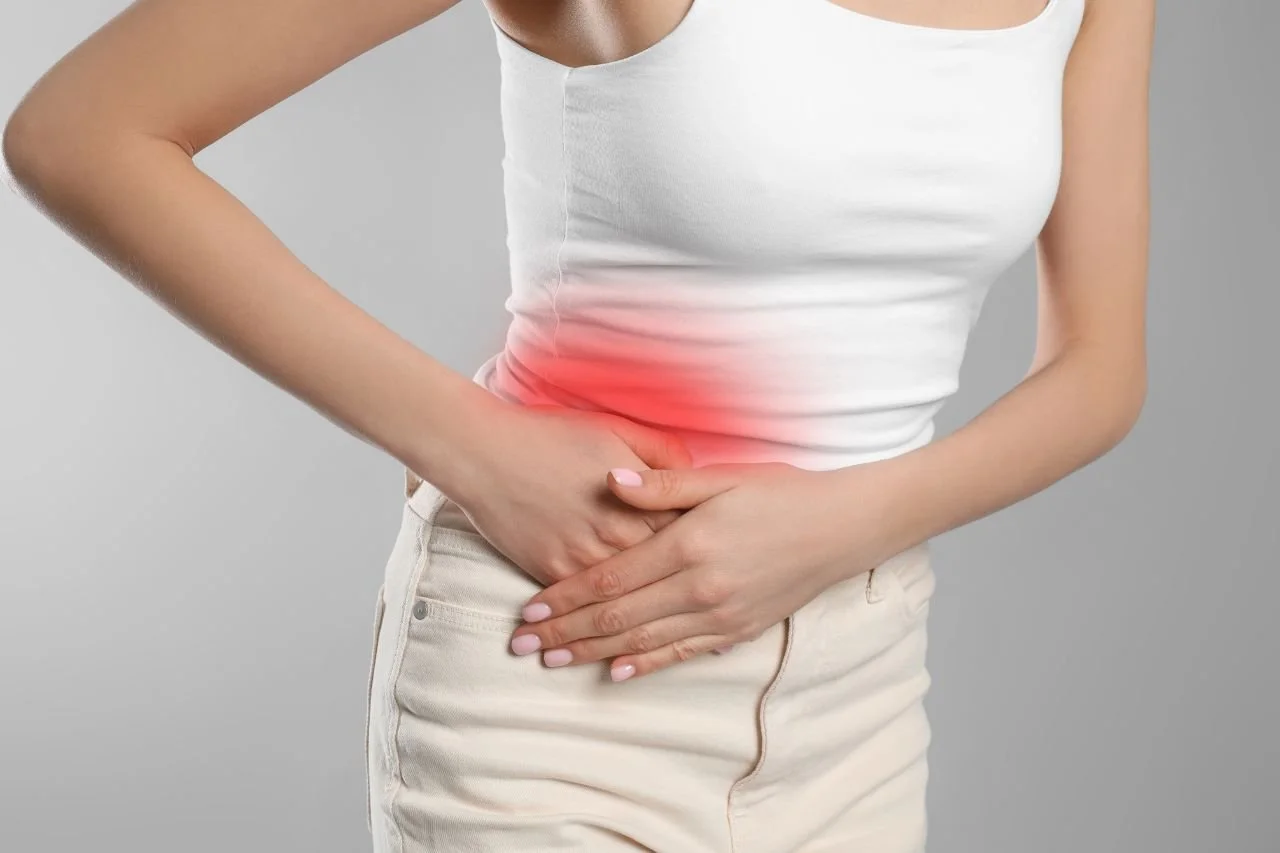
When you're trying to conceive, it's natural to focus on the obvious pieces of the puzzle: hormones, ovulation timing, egg quality, sperm health, and cycle tracking. These are all important. But reproductive health doesn't exist in a vacuum, it's deeply connected to the health of your entire body. One piece of that bigger picture that doesn't always get enough attention is inflammation.
If you've been researching inflammation and fertility, you've probably come across a lot of conflicting or oversimplified information. So let's slow down and look at what the research actually suggests, what inflammation is (and isn't), and what you can realistically do to support a healthier inflammatory response while you're on your fertility journey.
What Does Inflammation Have to Do With Fertility?
Inflammation itself is not inherently bad. In fact, it's a completely normal and necessary part of your immune system's response to the world around you. When you sprain your ankle, catch a cold, or get a paper cut, short-term (acute) inflammation is your body's way of protecting itself and beginning the healing process. Without this response, you wouldn't be able to recover from everyday injuries and infections.
Chronic inflammation is a different story. This happens when inflammatory processes stay switched on for weeks, months, or even years, often with no obvious injury or infection to explain it. Over time, chronic low-grade inflammation has been associated with a wide range of health conditions, some of which can also affect reproductive function.
It's important to be clear here: understanding inflammation isn't about placing blame or pointing to a single cause of fertility struggles. Fertility is influenced by many interconnected systems, and inflammation is simply one piece worth understanding as part of the whole picture. If you're looking for a broader overview of factors that may signal fertility concerns, this guide on signs you may be struggling to get pregnant and treatment options is a helpful place to start.
How May Chronic Inflammation Be Connected to Fertility?
Reproduction is an intricate biological process that relies on the coordination of hormones, the immune system, blood flow, cellular signaling, and more. Because these systems are so interconnected, it makes sense that researchers continue to study how chronic inflammation and fertility may be linked.
Inflammation appears to be particularly relevant when certain underlying health conditions are already present. Let's look at a few of the most commonly discussed.
Endometriosis
Endometriosis is a condition in which tissue similar to the lining of the uterus grows in places outside the uterus, such as on the ovaries, fallopian tubes, or pelvic lining. This condition is closely associated with chronic inflammation in the pelvic region and can affect fertility for some individuals. The inflammatory environment created by endometriosis may interfere with egg quality, implantation, or the normal function of reproductive organs.
PCOS (Polycystic Ovary Syndrome)
PCOS is a hormonal and metabolic condition that can disrupt ovulation and lead to irregular menstrual cycles. Many people with PCOS also show elevated inflammatory markers in the body. This overlap between hormonal imbalance, metabolic health, and inflammation is one reason PCOS-related fertility challenges are often approached from multiple angles rather than a single treatment path.
Other Contributing Health Factors
Inflammation doesn't exist in isolation from the rest of your health. Several everyday factors can influence how much inflammatory activity is happening in your body, including:
Metabolic health and blood sugar regulation
Chronic or prolonged psychological stress
Sleep quality and duration
Nutrition and dietary patterns
Certain underlying medical conditions
This is exactly why comprehensive fertility care so often benefits from looking beyond the reproductive system alone. If you're trying to conceive naturally and want a fuller picture of what your body might need, this resource on how to get pregnant naturally and address common fertility concerns offers additional context worth exploring.
What Are Possible Signs of Chronic Inflammation?
Here's an important caveat: there is no single symptom that definitively confirms chronic inflammation is present. It's not something you can self-diagnose from a checklist. That said, some ongoing, unexplained symptoms may be worth bringing up with your healthcare provider, including:
Persistent fatigue that doesn't improve with rest
Digestive issues or discomfort
Ongoing or unexplained pain
Other lingering symptoms without a clear cause
If you're experiencing significant menstrual changes, pelvic pain, irregular cycles, or difficulty conceiving, a proper medical evaluation is essential. These symptoms can have many different underlying causes, and inflammation may or may not be a contributing factor.
The goal should never be to assume inflammation is the problem. Instead, the goal is to understand what might be contributing to your symptoms as part of a broader, more complete evaluation of your reproductive and overall health.
Can Lifestyle Choices Support a Healthy Inflammatory Response?
While no single lifestyle change can guarantee improved fertility outcomes, supporting your overall health can help create a stronger foundation for reproductive wellness. Here are several areas worth focusing on.
1. Focus on Nutrient-Dense Foods
Rather than chasing a single "perfect fertility food," it's far more effective to build a sustainable pattern of balanced, whole-food nutrition. Try centering most of your meals around:
Colorful vegetables
Fruits and berries
Quality protein sources
Whole grains and other fiber-rich carbohydrates
Nuts and seeds
Healthy fats such as olive oil and avocado
Small, consistent changes to how you eat tend to be far more sustainable, and more supportive of long-term health, than short-term restrictive diets. For more specific guidance, take a look at these fertility nutrition tips for practical ways to build meals that support your body throughout your fertility journey.
2. Prioritize Quality Sleep
Sleep plays a foundational role in nearly every system connected to fertility, including stress regulation, metabolism, and hormonal function. Poor or inconsistent sleep can disrupt these systems over time. Aim for a consistent sleep schedule and enough rest each night to feel genuinely restored, not just functional.
3. Move Your Body Consistently
Regular physical activity supports cardiovascular health, metabolic function, stress management, and overall well-being, all of which tie back into a healthier inflammatory response. The right type and amount of exercise varies from person to person, and more isn't always better. The goal is sustainable consistency, not extremes in either direction.
4. Address Chronic Stress
The fertility journey itself can be a significant source of stress, which can create something of a feedback loop. Building in regular opportunities for relaxation and nervous system regulation may help support both emotional and physical well-being. This might look like:
Walking outdoors
Meditation or mindfulness practice
Breathing exercises
Yoga or gentle movement
Time spent in nature
Counseling or therapy
Acupuncture
If you'd like a broader list of approaches to explore, this article on natural ways to boost fertility covers additional strategies that pair well with the lifestyle habits above.
Where Does Acupuncture Fit Into Fertility Care?
Many individuals choose acupuncture for fertility as a complementary part of their overall wellness plan while trying to conceive. Acupuncture is often used to support relaxation, stress management, and general well-being, whether someone is trying to conceive naturally or going through fertility treatment such as IUI or IVF.
At Lotus Spring Acupuncture Fertility and Wellness, we believe fertility care should look at the whole person, not just an isolated symptom or lab result. Rather than narrowing in on one factor, we consider a broader range of elements, including menstrual health, stress levels, sleep quality, lifestyle habits, and each patient's unique fertility journey. This is the foundation of what many patients describe as holistic fertility support.
It's worth noting that acupuncture is intended to complement, not replace, appropriate fertility evaluation and medical treatment when needed. Working alongside your medical care team, rather than instead of it, tends to offer the most well-rounded support.
Creating a Healthier Foundation for Your Fertility Journey
Fertility is complex, and there is rarely a single explanation for why someone struggles to conceive. Chronic inflammation may be one contributing factor among many, particularly when conditions like endometriosis or PCOS are already part of the picture. But inflammation is just one thread in a much larger tapestry that includes hormones, metabolism, stress, sleep, nutrition, and individual health history.
Supporting your overall health through balanced nutrition, quality sleep, consistent movement, and thoughtful stress management can help you take a more proactive, empowered approach to your fertility journey, regardless of whether inflammation turns out to be a significant factor for you personally.
If you're looking for additional support while trying to conceive, our team at Lotus Spring Acupuncture Fertility and Wellness is here to help you build a personalized, whole-person approach to fertility wellness.
Ready to explore a personalized approach to fertility wellness? Contact us today to schedule your fertility consultation.