
What Every Couple Should Know About Sperm Health and Natural Support
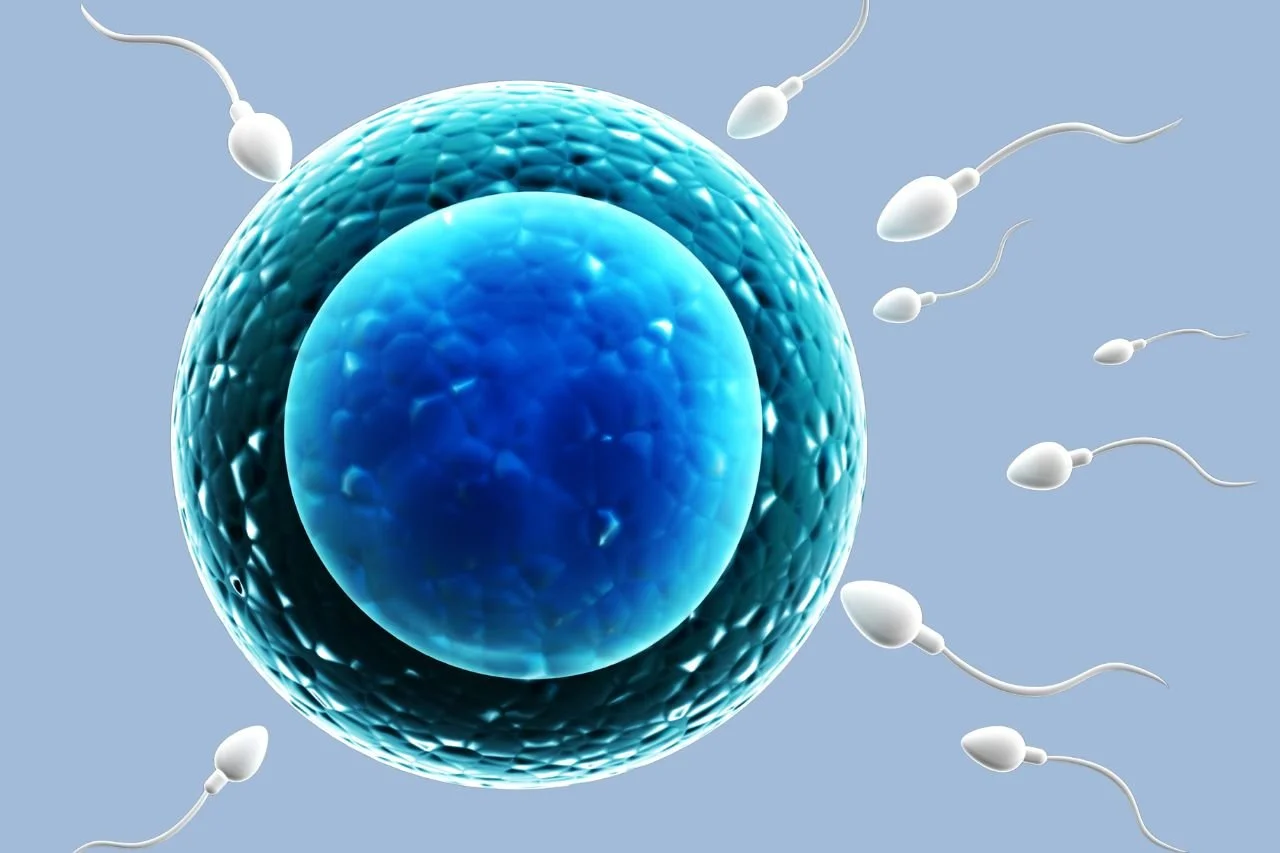
Male fertility contributes to nearly half of infertility cases. When couples experience difficulty conceiving, fertility discussions often focus on female reproductive health, but sperm health plays an equally important role in the process.
Male fertility matters because sperm count, motility, morphology, hormone balance, stress levels, sleep quality, nutrition, and lifestyle habits can all influence the chances of conception. Supporting both partners creates a more complete and effective approach to fertility care.
Understanding the Role of Male Fertility
When a couple begins trying to conceive, many people assume fertility challenges primarily originate from the female partner. However, research consistently shows that male factors contribute to approximately 40% to 50% of infertility cases.
Healthy sperm are necessary for successful fertilization. Even when female reproductive health is optimal, issues with sperm quality can affect the likelihood of pregnancy.
Male fertility is often evaluated through several key factors:
Because multiple factors contribute to fertility, a comprehensive evaluation of both partners is often recommended when conception is taking longer than expected.
Common Factors That Affect Male Fertility
Many aspects of daily life can influence sperm production and reproductive health. Some factors are temporary and can improve with lifestyle adjustments, while others may require medical evaluation and support.
Stress and Fertility
Chronic stress can impact hormone production and overall reproductive function. Elevated stress hormones may interfere with testosterone levels and sperm production.
Stress can also affect fertility indirectly by contributing to:
Poor sleep quality
Reduced physical activity
Unhealthy eating habits
Increased alcohol consumption
Relationship strain
Managing stress is often an important component of fertility support for both partners.
Sleep Quality
Sleep plays a critical role in hormone regulation and overall health. Men who consistently experience inadequate sleep may see changes in testosterone production and sperm quality.
Healthy sleep habits may help support:
Hormone balance
Testosterone production
Cellular repair
Stress management
Overall reproductive health
Nutrition and Sperm Health
The body requires a variety of nutrients to produce healthy sperm. A balanced diet rich in vitamins, minerals, antioxidants, and healthy fats may help support reproductive wellness.
Nutrients commonly associated with male fertility include:
Eating a diet focused on whole foods, vegetables, fruits, lean proteins, and healthy fats can benefit overall health while supporting fertility goals.
Lifestyle Habits
Several lifestyle factors may influence fertility outcomes.
These include:
Smoking
Excessive alcohol use
Recreational drug use
Obesity
Sedentary lifestyle
Exposure to environmental toxins
Why Male Fertility Testing Is Important
One of the most overlooked aspects of fertility care is early male fertility assessment.
Because male fertility contributes significantly to conception challenges, evaluating sperm health can provide valuable information and help guide treatment decisions.
A semen analysis typically examines:
Sperm concentration
Motility
Morphology
Semen volume
Overall sperm quality
This information can help fertility specialists identify potential obstacles and develop an appropriate care plan.
Unfortunately, many couples spend months focusing solely on female fertility factors before male testing is considered. Early evaluation can save valuable time and reduce uncertainty during the fertility journey.
The Connection Between Hormones and Male Fertility
Hormones influence every stage of sperm production.
Testosterone, follicle-stimulating hormone (FSH), and luteinizing hormone (LH) all work together to support healthy reproductive function.
Hormonal imbalances may affect:
Sperm production
Sexual function
Energy levels
Libido
Fertility outcomes
Understanding hormone health is important for both men and women when trying to conceive.
For a deeper look at hormonal influences on fertility, read:Could Hormones Be Affecting Fertility?
How Acupuncture May Support Male Fertility
Many couples exploring fertility support choose to incorporate acupuncture as part of their wellness plan.
Traditional Chinese Medicine views fertility as a reflection of overall balance within the body. Acupuncture aims to support this balance by promoting healthy circulation, reducing stress, and encouraging optimal body function.
Potential fertility-related benefits of acupuncture may include:
Supporting stress management
Promoting healthy blood flow
Encouraging relaxation
Supporting hormone regulation
Complementing fertility treatments
Supporting Both Partners During Fertility Treatment
When couples pursue fertility treatments, it is important to remember that fertility is a shared journey.
Whether pursuing natural conception, fertility medications, intrauterine insemination (IUI), or IVF, optimizing the health of both partners may help create the strongest possible foundation.
Couples often focus heavily on female treatment protocols while overlooking opportunities to improve male reproductive health.
Some practical ways men can support fertility include:
Prioritizing consistent sleep
Maintaining a healthy weight
Managing stress levels
Exercising regularly
Following a nutrient-rich diet
Avoiding tobacco products
Limiting alcohol intake
Seeking fertility evaluation when appropriate
Small changes made consistently can have meaningful impacts on overall wellness.
Male Fertility and IVF Success
For couples pursuing IVF, male fertility remains an important consideration.
Even when advanced reproductive technologies are used, sperm quality can still influence outcomes.
Many fertility clinics encourage couples to optimize health before beginning treatment cycles.
Patients interested in learning more about fertility support alongside IVF may find these resources helpful:
Acupuncture for IVF: Benefits, Timing, and How It Supports Your Fertility Journey
Does Acupuncture Help IVF Success? What Research Says and How It Supports Your Cycle
These approaches may provide additional support throughout the fertility treatment process while helping patients feel more empowered during their journey.
A Whole-Person Approach to Fertility Wellness
Fertility is rarely influenced by a single factor. Instead, it reflects a combination of physical, emotional, hormonal, and lifestyle components.
A whole-person approach recognizes that both partners contribute to reproductive health and that supporting overall wellness can be an important part of fertility care.
This approach often includes:
When these factors are addressed together, couples often feel more informed and supported throughout the conception process.
Moving Forward With Confidence
Male fertility matters because fertility challenges are not exclusively a female issue. Male reproductive health contributes to nearly half of infertility cases, making sperm quality, hormone balance, lifestyle habits, and overall wellness important considerations when trying to conceive.
By evaluating both partners, making healthy lifestyle choices, and seeking appropriate fertility support, couples can take a more comprehensive approach to reproductive health. Whether you are just beginning your fertility journey or preparing for advanced fertility treatments, supporting male fertility is an essential piece of the bigger picture.
Frequently Asked Questions About Male Fertility Matters
Does male fertility really contribute to infertility?
Yes, male fertility contributes to approximately half of infertility cases. Fertility challenges can result from issues related to sperm count, motility, morphology, hormone levels, or lifestyle factors. Because both partners play a role in conception, fertility evaluations often include assessments for both men and women to identify potential contributing factors and develop an appropriate treatment plan.
Can stress affect male fertility?
Stress can influence male fertility by affecting hormone balance and overall health. Chronic stress may impact testosterone production, sleep quality, and healthy lifestyle habits, all of which can influence sperm health. While stress alone may not cause infertility, managing stress can be an important part of supporting reproductive wellness and improving quality of life during the fertility journey.
How long does it take to improve sperm health?
Sperm production typically takes about two to three months. Because sperm development occurs over several weeks, positive lifestyle changes such as improving nutrition, exercising regularly, sleeping well, and reducing stress may take several months before improvements are reflected in semen analysis results. Consistency is often key when working toward fertility goals.
Can acupuncture help support male fertility?
Acupuncture may support male fertility as part of a comprehensive wellness plan. Many individuals use acupuncture to help manage stress, support relaxation, and encourage overall balance within the body. While acupuncture is not a guaranteed fertility treatment, it is commonly integrated into fertility care plans and may complement other medical and reproductive health approaches.